
Understanding IVF: A Step-by-Step Guide
Demystifying the in vitro fertilization process for prospective parents.
Read More28+ Years Trusted · Since 1999
Dr. Padmaja Fertility Hospital
From Hope to Healthy Beginnings
We are celebrating our
46,000+live babies delivered
IUI · IVF · ICSI — success stories across 28+ years of excellence
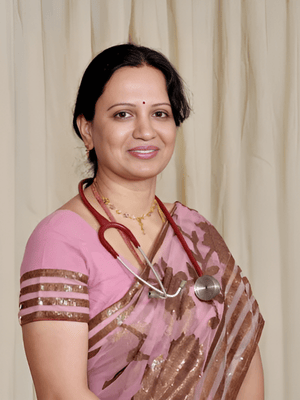
Dr. B. Padmaja
Senior Fertility Specialist & IVF Consultant
Expert fertility insights to help you make informed decisions.
నీకు సంతానం కలుగుతుందా అన్నారు..
PCOD ఉంటే సంతానం కలగదా.. నిజం ఏమిటి..
BP, sugar ఉన్న సంతానం కలగాలంటే..
ప్రెగ్నెన్సీ ఆలస్యం చేస్తే ఇదే జరుగుతుంది
మేనరికం పెళ్లిళ్లు... భావితరాలకు ముప్పా..
ఫ్రీజింగ్ ఎంబ్రియోస్ తో Twin ప్రెగ్నెన్సీ..?
ఆదాయం ఏదైనా… IVF అందరికీ చేరువలోనే
ఆలస్యం లేకుండా IVF… ఒకే రోజు 29 ప్రెగ్నెన్సీలు
Stay connected with our fertility experts, patient stories, educational videos and the latest from the centre.
Prefer to talk? Call +91 98480 14512
28+
Years of Experience
46,000+
Children Into the World
35,000+
Happy Patients
98%
Patient Recommendation Rate
Families telling their own story, in their own words.
अधिक वजन होने पर भी संतान संभव है
కన్నీటి కల కవలలతో ఇలా
మళ్ళీ జన్మించిన కొడుకు
అదృష్టం ఆనందం పోటీపడేలా ట్రిప్లెట్స్
50 ఏళ్ల వయసులో...15 ఏళ్ల కొడుకును కోల్పోయాక IVF తో కవలలు
दुआ रंग लाई…17 साल बाद जुड़वा बच्चों का जन्म
16 ఏళ్ల కల నిజం… IVF తో ఇద్దరు కొడుకులు
బైకార్న్యుయేట్ గర్భాశయం…అయినా పండంటి బిడ్డ
Video & Reels
Short films from our patients and specialists. Tap any reel to play, swipe or use the arrows to browse.
Meet Your Specialist
Founder & Chief Fertility Specialist
MBBS
Dr. Padmaja Fertility Hospital is one of the most trusted and established fertility hospitals, committed to delivering advanced reproductive care with compassion and excellence.
The centre combines a state-of-the-art embryology laboratory with a personalised, patient-first approach — so every couple is guided through their options in plain language, at their own pace.
A comprehensive range of assisted reproductive technologies, matched to your diagnosis rather than sold as a package.
A structured evaluation for both partners to find why conception has not happened, before any treatment is recommended.
A less invasive procedure placing prepared sperm directly into the uterus during ovulation.
Cryopreservation of a sperm sample for later use — before cancer treatment, surgery, or a planned absence.
Fertilization outside the body, in the laboratory — the route through blocked tubes, severe male-factor infertility and treatment that has not worked so far.
Intracytoplasmic Sperm Injection for severe male infertility cases, ensuring direct fertilization of the egg.
Regional and national channels covering the families who found their way to parenthood here.
52 ఏళ్ల వయసులో కవలలకు జన్మనిచ్చిన దంపతులు
Dr. Padmaja Fertility Hospital, Karimnagar
Padmaja Fertility Center in Karimnagar — Santanamasthu
TV9
Reasons For Infertility In Female | Diagnosis And Treatment For Infertility
NHealth
Our work with families across Telangana has been featured in regional and national press.
అమ్మలకే అమ్మ! (సంతానం ఇక సాఫల్యం)
33 IVF babies born in a week in Karimnagar
July 16
లేటు వయసులో కవలలకు జననం
Five-star reviews left by patients on our Google Business Profile — unedited.
Based on 441 Google reviews
Choose your location to see centre details, directions and local appointment timings.

Demystifying the in vitro fertilization process for prospective parents.
Read More
How diet and lifestyle choices can impact your reproductive health.
Read More
Understanding how clinical success rates are calculated and what they mean for you.
Read MoreSchedule a confidential consultation with our fertility experts.